
Zepbound Side Effects & Dosing: A Complete Guide
Dr. Matthew Weiner breaks down every Zepbound side effect and dose, how to manage them, and what to watch for during treatment

Dr. Matthew Weiner
Bariatric Surgeon
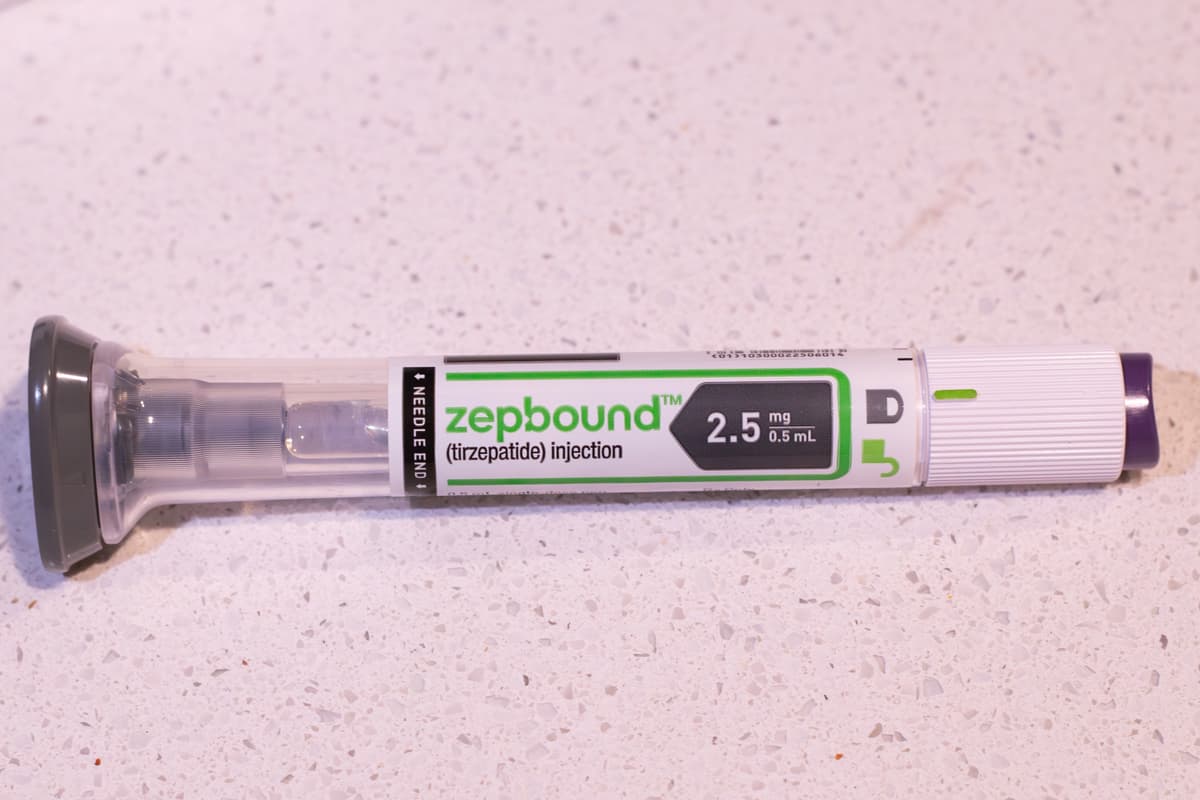
What Are the Most Common Zepbound Side Effects?
Zepbound (tirzepatide) is a dual GIP/GLP-1 receptor agonist approved by the FDA in November 2023 for chronic weight management. In clinical trials, it helped patients lose an average of 18-22% of their body weight — making it one of the most effective weight loss medications we've ever had. However, as a bariatric surgeon who has guided thousands of patients through weight loss journeys, I can tell you that understanding Zepbound side effects is essential before starting treatment. The most common side effects are gastrointestinal: nausea, diarrhea, constipation, vomiting, and abdominal pain. These affect the majority of patients, particularly during the early weeks of treatment and during dose escalations.
The good news is that most Zepbound side effects are manageable and tend to improve over time as your body adjusts to the medication. In my clinical experience, the patients who do best are those who are well-informed, work closely with their healthcare provider on dose titration, and adopt complementary lifestyle changes — including better nutrition, regular physical activity, and behavioral strategies — to support their weight loss. Let me walk you through everything you need to know about Zepbound's side effects and dosing, from the mild and temporary to the rare but serious.
The Two Most Important Factors for Minimizing Side Effects: Dose and Diet
Before diving into the full detail of Zepbound's side effect profile, I want to emphasize something I tell every single patient I work with: the two most powerful tools you have for reducing side effects are dose and diet.
1. Dose: Use the Lowest Effective Dose
More is not always better. The goal of Zepbound treatment is not to reach the highest dose as quickly as possible — it's to find the lowest dose that delivers meaningful, sustainable weight loss for you. Many patients do extremely well at 5 mg or 7.5 mg and have no clinical need to push to 12.5 mg or 15 mg. Every time you increase your dose, you increase the pharmacological signal driving GI side effects. Keeping your dose as low as effectively possible is one of the single most impactful decisions you and your provider can make together.
2. Diet: Clean, Healthy Eating Is Non-Negotiable
Zepbound's side effects — particularly nausea, reflux, and bloating — are dramatically worsened by the wrong foods. Fatty, greasy, heavily processed, or spicy foods are much harder for a slowed GI tract to handle. Patients who eat a clean, whole-food-based diet — lean proteins, vegetables, fruits, whole grains, minimal ultra-processed foods — consistently report far fewer and milder GI symptoms than those who continue eating the same diet they had before starting the medication. Think of it this way: Zepbound slows your digestion to give food more time in your system. Whatever food you put in, your body will spend a lot of time with it. Make it count.
These two factors — dose and diet — are more within your control than you might realize. They won't eliminate side effects entirely, but they will make a dramatic difference in your experience on this medication.
Understanding How Zepbound Works (And Why It Causes Side Effects)
To understand why Zepbound causes the side effects it does, you need to understand what it's doing in your body. Tirzepatide — the active ingredient in Zepbound — mimics two naturally occurring hormones: GLP-1 (glucagon-like peptide-1) and GIP (glucose-dependent insulinotropic polypeptide). These hormones play key roles in appetite regulation, blood sugar control, and gastric emptying.
When you inject Zepbound, it:
- Slows gastric emptying — food stays in your stomach longer, which makes you feel full but can also cause nausea, bloating, and constipation
- Acts on appetite centers in the brain — reducing hunger signals and food cravings
- Improves insulin sensitivity — which is beneficial for metabolic health but can occasionally cause blood sugar fluctuations
Because these hormones affect the entire GI tract and multiple metabolic pathways, side effects are not surprising. They're essentially the flip side of the medication's therapeutic mechanism.
Zepbound Dosing: How the Dose Schedule Works
Understanding the Zepbound dose schedule is just as important as understanding its side effects — because the two are closely linked. Zepbound is available in six dose strengths: 2.5 mg, 5 mg, 7.5 mg, 10 mg, 12.5 mg, and 15 mg, all administered as once-weekly subcutaneous injections.
Starting Zepbound Dose
All patients start at the 2.5 mg Zepbound dose once weekly. This is not a therapeutic dose for weight loss — it's an introductory dose designed to help your body adjust to the medication and minimize early GI side effects. Most patients tolerate the 2.5 mg dose well.
Zepbound Dose Escalation Schedule
After four weeks at the starting dose, the standard protocol is to increase by 2.5 mg every four weeks, as tolerated:
WeekZepbound DoseWeeks 1–42.5 mgWeeks 5–85 mgWeeks 9–127.5 mgWeeks 13–1610 mgWeeks 17–2012.5 mgWeek 21+15 mg (maximum dose)
Creative Dosing Strategies: Going Between the Standard Doses
Here's something many patients — and even some providers — don't realize: you are not locked into the standard dose increments. The approved pen devices come in fixed strengths (2.5 mg, 5 mg, 7.5 mg, etc.), but when using vials or through providers who can facilitate smaller adjustments, it is entirely possible to titrate in smaller, more gradual steps. Even conceptually, the standard jumps of 2.5 mg represent a 100% dose increase from 2.5 mg to 5 mg. That's a significant pharmacological step for some people's GI systems.
A creative dosing strategy takes a more gradual approach. Rather than jumping from 2.5 mg directly to 5 mg, you might progress through intermediate doses like:
- 2.5 mg → 3 mg → 3.5 mg → 4 mg → 5 mg
Each smaller increment gives your body more time to adjust to a slightly higher dose before taking the next step. This can be particularly valuable for patients who are especially sensitive to dose changes or who have had significant nausea or vomiting at the standard transition points.
How does this work in practice? This approach is most accessible when tirzepatide is obtained through a provider who prescribes it in vial form with a measured syringe, allowing for precise intermediate dosing. If you are using the standard auto-injector pens, your options are limited to the fixed increments. In either case, this should always be done in consultation with your prescribing provider — never attempt to modify your dosing on your own.
The goal of creative dosing is not to avoid ever reaching a therapeutic dose. It's to get there more slowly and comfortably, improving your long-term likelihood of staying on the medication and achieving the results you're looking for. A patient who escalates gradually and tolerates the medication well will nearly always outperform a patient who rushes to a higher dose, experiences severe side effects, and discontinues treatment.
Finding Your Optimal Zepbound Dose
The maximum approved Zepbound dose is 15 mg weekly, but reaching the maximum dose is not the goal for every patient. In my practice, I've seen patients achieve excellent, lasting weight loss at 5 mg or 7.5 mg. The right Zepbound dose is the one that delivers meaningful weight loss while remaining tolerable.
If side effects are significant at any dose, I recommend staying at that dose for an additional 4–8 weeks rather than pushing forward. There is no clinical benefit to escalating faster than your body can adapt — and doing so dramatically increases the risk of nausea, vomiting, and discontinuing treatment altogether.
Can You Lower Your Zepbound Dose?
Yes. If side effects at a higher dose become difficult to manage, it is entirely appropriate to step back down to the previous Zepbound dose for a few weeks before attempting to re-escalate. This is not a failure — it's a smart, individualized approach to treatment. Always discuss dose adjustments with your prescribing provider.
Common Zepbound Side Effects
The SURMOUNT clinical trial program, which included over 5,000 participants, provides the most comprehensive data on Zepbound's side effect profile. Here's what was most frequently reported:
Gastrointestinal Side Effects
These are by far the most common, affecting roughly 30-50% of patients at some point during treatment:
- Nausea — The single most reported side effect, occurring in up to 33% of patients in the SURMOUNT-1 trial (Jastreboff et al., New England Journal of Medicine, 2022). It's typically worst during the first few weeks and during dose increases.
- Diarrhea — Reported in approximately 23% of patients. Usually mild to moderate and self-limiting.
- Constipation — Affects about 11-17% of patients. This is a direct result of slowed gastric motility.
- Vomiting — Occurred in roughly 9-12% of patients in clinical trials.
- Abdominal pain — Reported in about 5-10% of patients, often related to bloating or changes in digestive patterns.
- Dyspepsia (indigestion) — Commonly described as a feeling of fullness, heartburn, or stomach discomfort.
- Gastroesophageal reflux (GERD) — Some patients experience increased acid reflux, particularly when lying down after meals.
Non-GI Common Side Effects
- Injection site reactions — Redness, itching, or mild pain at the injection site. Usually mild and resolves quickly.
- Fatigue — Some patients report low energy, especially during the early weeks of treatment or when caloric intake drops significantly.
- Hair thinning (telogen effluvium) — This is a side effect of rapid weight loss itself, not necessarily the medication. When you lose a large amount of weight quickly, hair follicles can shift into a resting phase. This is usually temporary.
- Headache — Reported in clinical trials, though typically mild.
Serious Zepbound Side Effects to Watch For
While rare, there are several serious side effects that warrant immediate medical attention:
Pancreatitis
Inflammation of the pancreas has been reported with GLP-1 receptor agonists, including tirzepatide. Symptoms include severe, persistent abdominal pain that may radiate to the back, often accompanied by nausea and vomiting. If you experience this, stop the medication and contact your healthcare provider immediately. In the SURMOUNT trials, pancreatitis was uncommon but remained a monitored safety signal.
Gallbladder Disease
Rapid weight loss — whether from medication, surgery, or diet — increases the risk of gallstones and cholecystitis (gallbladder inflammation). In my 20+ years as a bariatric surgeon, I've seen this repeatedly. Symptoms include right upper quadrant abdominal pain, especially after eating fatty foods. Studies suggest the risk is dose-dependent with tirzepatide (Wadden et al., JAMA, 2023).
Thyroid C-Cell Tumors (Boxed Warning)
Zepbound carries an FDA boxed warning about the risk of thyroid C-cell tumors, including medullary thyroid carcinoma (MTC). This risk was observed in rodent studies, though it has not been confirmed in humans. Zepbound is contraindicated in patients with:
- A personal or family history of MTC
- Multiple Endocrine Neoplasia syndrome type 2 (MEN 2)
Watch for symptoms like a lump or swelling in the neck, difficulty swallowing, hoarseness, or shortness of breath.
Hypoglycemia
While Zepbound is not insulin, it does improve insulin sensitivity and secretion. Patients who take Zepbound alongside insulin or sulfonylureas (for diabetes management) are at higher risk for low blood sugar. Symptoms include shakiness, sweating, confusion, rapid heartbeat, and dizziness.
Allergic Reactions
Serious allergic reactions, including anaphylaxis, are rare but possible. Seek emergency care if you experience swelling of the face, lips, tongue, or throat, severe rash, or difficulty breathing.
Kidney Injury
Dehydration from persistent vomiting or diarrhea can lead to acute kidney injury. This is particularly important for patients with pre-existing kidney disease. Stay well-hydrated, especially during the dose-escalation phase.
Gastroparesis and Intestinal Obstruction
Because Zepbound significantly slows gastric emptying, there have been reports of severe gastroparesis (stomach paralysis) and, in rare cases, intestinal obstruction. If you experience severe bloating, inability to eat, or persistent vomiting, seek medical attention promptly.
Try Our GLP-1 Weight Loss Calculator
See how much weight you could lose with GLP-1 medications like Zepbound and Wegovy.
Download Go Loli today to track your Zepbound side effects, get personalized nutrition guidance, and build sustainable habits with AI coaching from Dr. Weiner's 20+ years of bariatric expertise.
AI-powered symptom and side effect tracking with personalized meal recommendations optimized for GLP-1 medication users. Built by Dr. Matthew Weiner, bariatric surgeon with 20+ years of experience.


How to Manage Zepbound Side Effects
As someone who has helped patients manage post-surgical GI symptoms for over two decades, I can share practical strategies that work. And remember — coming back to the two foundational principles — the single most impactful things you can do are keep your dose as low as effectively possible and eat a clean, whole-food diet. Everything below builds on that foundation.
For Nausea
- Eat smaller, more frequent meals — instead of 2-3 large meals, try 4-6 small ones
- Avoid fatty, greasy, or spicy foods — these are harder to digest and worsen nausea significantly on Zepbound
- Stay upright after eating — don't lie down for at least 30 minutes after a meal
- Ginger tea or ginger chews — there's evidence that ginger has antiemetic properties
- Eat slowly — give your brain time to register fullness signals
- Prioritize clean, minimally processed foods — whole proteins, vegetables, and simple carbohydrates are much gentler on a slowed GI tract than rich or heavily seasoned dishes
For Constipation
- Increase fiber intake gradually — fruits, vegetables, and whole grains
- Stay hydrated — aim for at least 64 ounces of water daily
- Regular physical activity — even a daily 20-minute walk can stimulate gut motility
- Consider a stool softener — like docusate sodium, if dietary changes aren't enough
For Diarrhea
- Avoid sugar alcohols and artificial sweeteners — these can worsen diarrhea
- Stay hydrated with electrolytes — broth, electrolyte drinks, or oral rehydration solutions
- Eat bland foods temporarily — rice, bananas, toast, and applesauce
Dose Titration Strategy
One of the most important strategies for minimizing side effects is slow, careful dose titration. The standard Zepbound dose escalation protocol starts at 2.5 mg weekly for four weeks before increasing. If side effects are significant at any dose, I recommend staying at that dose for an additional 4-8 weeks rather than pushing forward. And as described above, consider whether a creative dosing strategy — using intermediate doses between the standard increments — might be appropriate for you. There's no race to the highest Zepbound dose — what matters is finding the dose that balances efficacy with tolerability.
Zepbound Coupon and Cost Considerations
Let's be honest — cost is one of the biggest barriers to Zepbound treatment. The list price is approximately $1,059 per month without insurance. Here are the current options for reducing that cost:
Manufacturer Savings Card
Eli Lilly offers a Zepbound savings card for eligible commercially insured patients. As of the latest update, qualifying patients may pay as little as $25 per month for their prescription. However, eligibility requirements and terms change frequently, so check Zepbound's official website for the most current offer.
Zepbound Coupon Tips
- Check your insurance formulary first — some commercial insurance plans are beginning to cover Zepbound for weight management
- Ask about step therapy requirements — your insurer may require you to try other medications first
- Look into Lilly's direct-to-consumer options — Eli Lilly has launched LillyDirect, which can sometimes offer competitive pricing
- Patient assistance programs — for uninsured or underinsured patients, Lilly may offer additional support
- Avoid compounding pharmacies selling "tirzepatide" — the FDA has issued warnings about compounded versions that may not be safe or effective
Important Note on Compounded Tirzepatide
As a physician, I must caution you: compounded tirzepatide is not the same as brand-name Zepbound. The FDA does not verify the safety, efficacy, or sterility of compounded medications the same way it does for approved drugs. While I understand the financial pressure, using unregulated compounded versions carries real risks including contamination, incorrect dosing, and lack of efficacy.
Who Should NOT Take Zepbound?
Zepbound is not appropriate for everyone. It is contraindicated in patients with:
- Personal or family history of medullary thyroid carcinoma or MEN 2
- Known hypersensitivity to tirzepatide or any of its components
- Pregnancy or planned pregnancy (Zepbound should be discontinued at least 2 months before conception due to its long half-life)
- History of severe gastroparesis
Patients with a history of pancreatitis, gallbladder disease, or kidney disease should use Zepbound with caution and close monitoring.
How Loli Can Help
Whether you're taking Zepbound, considering it, or managing your weight through other approaches, the Go Loli app is designed to support you every step of the way. One of Loli's most powerful features is its AI-powered symptom and side effect tracking. You can log how you're feeling each day — nausea, energy levels, appetite changes, bowel habits — and Loli's intelligent system helps you identify patterns, adjust your nutrition to minimize GI symptoms, and provides personalized meal recommendations that complement your medication.
Dr. Weiner built Loli because he saw too many patients struggling alone between doctor visits. With Loli, you get daily guidance informed by 20+ years of bariatric expertise — right in your pocket. The app also provides structured meal plans optimized for patients on GLP-1 medications, helping you eat the clean, whole-food diet that makes the biggest difference in your side effect experience — while also ensuring you get adequate protein and nutrition even when your appetite is suppressed.
Download Go Loli today at gololi.ai and get personalized support for your weight loss journey.
The Bottom Line
Zepbound is a genuinely transformative medication for weight loss. The clinical data is impressive, and I've seen remarkable results in my patients. But like every powerful medical intervention — including bariatric surgery — it comes with side effects and a dosing protocol that need to be understood, anticipated, and managed.
The key takeaways:
- Dose and diet are the two most important levers — use the lowest effective dose and eat the cleanest diet you can
- GI side effects are common but usually temporary — most improve within weeks
- Slow dose titration is your friend — don't rush to the highest Zepbound dose; consider creative intermediate dosing if standard increments are too large
- Serious side effects are rare but real — know the warning signs
- Lifestyle changes amplify results — medication alone is never the full answer
- Cost management is possible — explore manufacturer coupons, insurance coverage, and legitimate savings programs
Work closely with your healthcare provider, stay informed, and remember that sustainable weight loss is a marathon, not a sprint.
Frequently Asked Questions
Q: How long do Zepbound side effects last?
Most common side effects — particularly nausea, diarrhea, and vomiting — are worst during the first 4-8 weeks of treatment and during dose escalations. For the majority of patients, these symptoms become significantly milder or resolve entirely as the body adjusts. In the SURMOUNT-1 trial, the incidence of nausea peaked during the dose-escalation period and declined substantially during the maintenance phase. If side effects persist beyond 8-12 weeks at a stable dose, talk to your healthcare provider about adjusting your treatment plan.
Q: What is the starting Zepbound dose?
All patients begin at the 2.5 mg Zepbound dose once weekly for the first four weeks. This is an introductory dose intended to help your body adapt to the medication — not to produce significant weight loss. From there, the dose is typically increased by 2.5 mg every four weeks, as tolerated, up to the maximum Zepbound dose of 15 mg weekly. If you're experiencing side effects, your provider may slow the escalation schedule or use a creative dosing strategy with smaller intermediate increments.
Q: Can I use intermediate doses between the standard Zepbound increments?
In some cases, yes — and this can be a very effective strategy for patients who are sensitive to dose changes. Rather than jumping directly from 2.5 mg to 5 mg, some providers will titrate through intermediate doses (e.g., 3 mg, 3.5 mg, 4 mg) to allow the body to adjust more gradually. This approach is most feasible when tirzepatide is prescribed in vial form with a measured syringe. If you use the standard auto-injector pens, you are limited to the fixed dose increments. Always work with your prescribing provider to determine whether a creative dosing strategy is right for your situation.
Q: Can I drink alcohol while taking Zepbound?
Alcohol is not strictly contraindicated with Zepbound, but I strongly recommend caution. Alcohol can worsen nausea and GI symptoms, contribute to dehydration, and because Zepbound slows gastric emptying, alcohol may be absorbed differently than you're used to — potentially leading to faster intoxication. Many of my patients find that their tolerance for alcohol decreases significantly on GLP-1 medications. If you choose to drink, do so in moderation and stay well-hydrated.
Q: Is there a generic version of Zepbound or a Zepbound coupon that makes it affordable?
As of 2024, there is no generic version of Zepbound (tirzepatide). The medication is protected by patents held by Eli Lilly. The best current option for reducing cost is Lilly's manufacturer savings card, which can lower the out-of-pocket cost to as little as $25/month for eligible commercially insured patients. Uninsured patients should inquire about Lilly's patient assistance programs. I always recommend checking the official Zepbound website for the most current coupon and savings information, as offers are updated regularly.
Q: What happens when you stop taking Zepbound?
This is one of the most important questions patients ask me. Research consistently shows that weight regain is common after discontinuing GLP-1 receptor agonists, including tirzepatide. A follow-up study from the SURMOUNT-1 trial found that participants regained approximately two-thirds of their lost weight within one year of stopping the medication (Aronne et al., JAMA, 2024). This is why I emphasize that medication should be combined with lasting behavioral and dietary changes. Tools like the Go Loli app can help you build sustainable habits that support long-term weight maintenance, whether or not you continue medication.
Q: Is Zepbound better than Wegovy (semaglutide) for weight loss?
Head-to-head data from the SURMOUNT-5 trial (presented in 2024) showed that tirzepatide (Zepbound) produced greater weight loss than semaglutide (Wegovy) — approximately 20.2% vs. 13.7% body weight reduction over 72 weeks. However, "better" depends on individual factors including side effect tolerance, insurance coverage, cost, and personal medical history. Both are excellent medications, and the best choice is the one that works for you long-term. I recommend discussing both options with your healthcare provider to determine which fits your specific situation.

Dr. Matthew Weiner, MD
Board-certified bariatric surgeon with over 20 years of experience. Author of “A Pound of Cure” and creator of the Pound of Cure AI health app. Dr. Weiner has helped thousands of patients achieve lasting weight loss through surgery, GLP-1 medications, and lifestyle changes.